

Motmots, the Rollers of the Neotropics
 Follow
When a birder from Africa or Asia sees our Turquoise- browed Motmot, the first thing they say is “what kind of Roller is that?” Is a Motmot a kind of Roller? Well, not exactly, but they are related. We don’t have Rollers in the tropical Americas but the family of motmots are cousins of rollers.
Momotidae is a group of passerines that belong to the order Coraciiformes made up of 10 families of birds , which also includes the kingfishers (Alcedinidae), bee-eaters (Meropidae), hoopoes , and hornbills (Bucerotidae). However, and this is important, some authorities place the hoopoes in the Upupiformes as a separate order, and some others place hoopoes and hornbills in the Bucerotiformes. Ok, remember this is not a scientific article and I am not going further in taxonomic concepts, but the general idea is that motmots and some Old World birds you know well are related. The fossil records suggest that ancestors of contemporary motmots were from the Old World, as evidence was found in Switzerland from the Oligocene (30–40 million years ago)

Not long ago one of my clients from Puerto Rico found our Tody Motmot (Hylomanes momotula) and called the bird a “giant tody”. Well, the family of the todies are restricted to the Caribbean, but they are very similar to some motmots. In fact, Tody Motmot is considered the most primitive family member, and perhaps links the motmot and tody families.
But many birds in the world look similar and are not related. What do motmots, bee eaters, kingfishers, todies and rollers have in common? Basically a unique middle-ear ossicle, DNA, bright plumage, limb musculature, little or no dimorphism between sexes, earth-excavated nest burrows, and predation by short flights from a perch to seize prey and return to the perch), Many motmots have serrated bills that help to catch big preys like grasshopers, caterpillars, dragonflies, scorpions and crabs. Having the chance they try to catch lizards, small snakes, frogs, and small fish. In Costa Rica, there are reports of motmots feeding on poison dart frogs.
Their long and distinctive racket-like tip is the field mark that helps to recognize this group in the forest, but there are exceptions because Tody Motmot has a short tail. Despite being very colorful and medium in size, motmots often go undetected. Thats because they are not very active, just sit and wait. Their peack of activity active is during twilight at dawn and dusk.
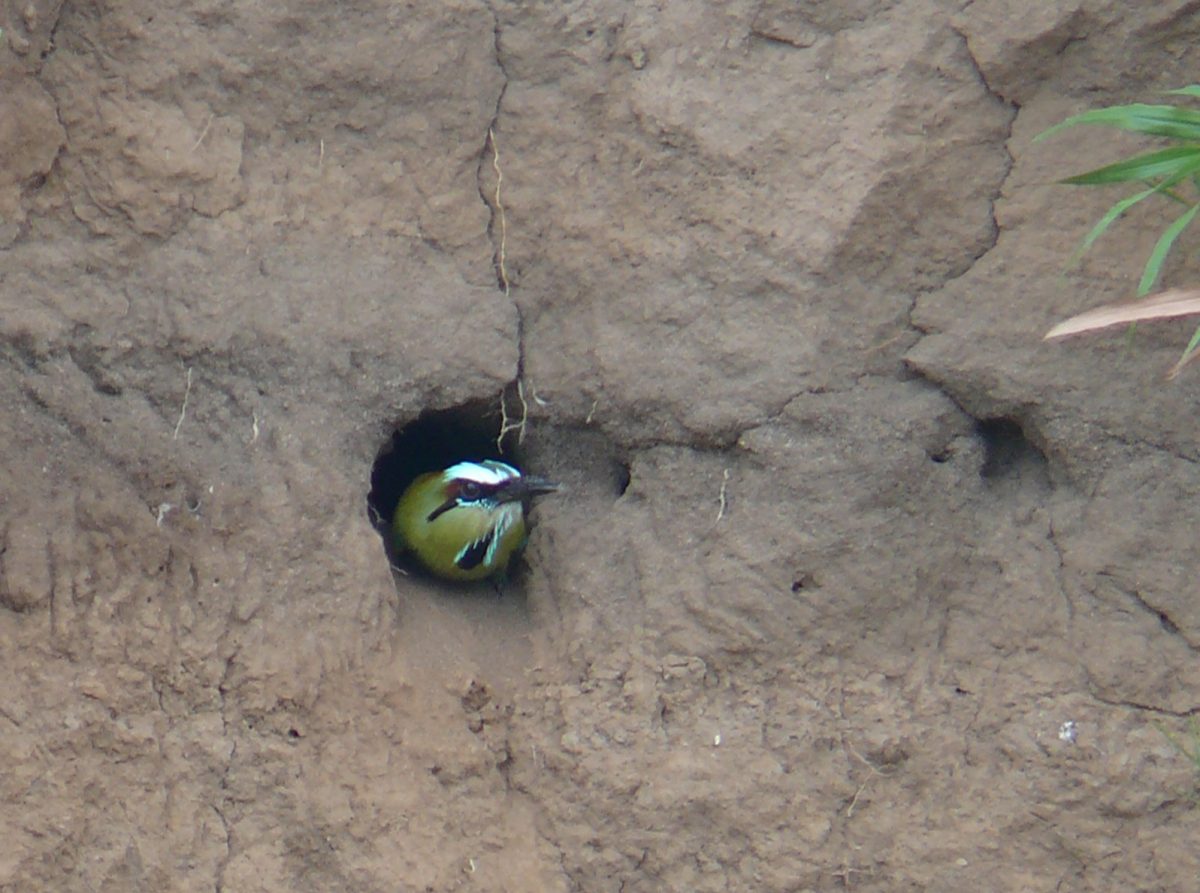
Something they have in common with the other members of Coraciiformes is their habit of nesting in tunnels in banks, near water or in the forest. Both parents care for the young.
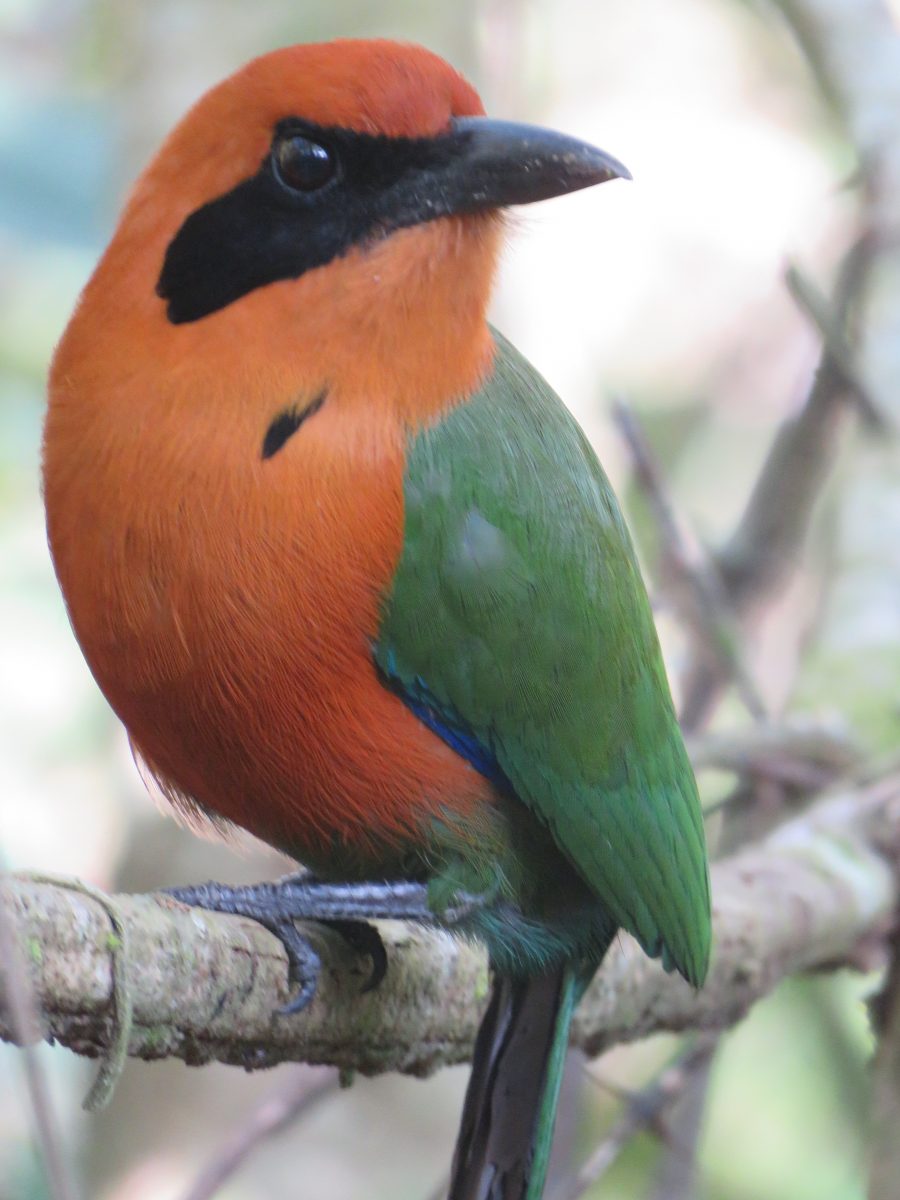
In my personal experience motmots are easily overlooked because their secretive behaviour. They sit motionless in dark areas in the forest waiting for a potencial prey. Many times birders walk the trail really close to the bird and dont see it. But sometimes they call out attention when they move the tail. They do it side to side a wag-display that sometimes draws attention to an otherwise hidden bird. According to some researchers this wag-display is a way to communicate that the motmot is aware of the predator (or the birder) and is prepared to escape. This also helps the predator as it avoids a costly pursuit that is unlikely to result in capture. But it doesnt work for us. We will chase the bird in the tangle vegetation to see more of it or get a nice picture if we are lucky.
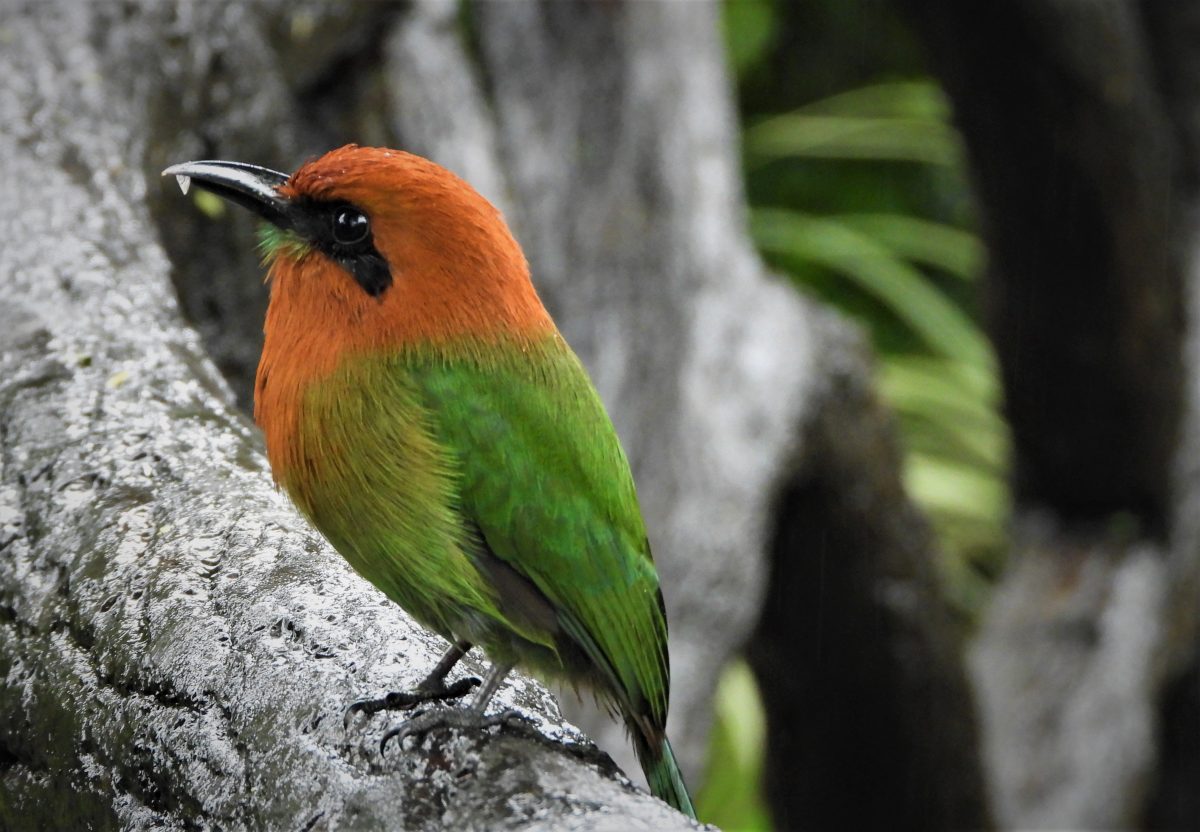
When I was a youn birder somebody told me that the motmot shaped its tail by plucking part of the feathers to leave the racket.. That is not true. The central tail feathers are attached and fall off during preening, creating the racket shape of the tail.
The local name in Costa Rica is “dumb bird”. Is comes from its habit of
this comes from his habit of staying still and not moving for a long time. Now you now, next time you visit Costa Rica open your eyes and try to find this outstanding treasures hidden in the forest!!
Note: This is a series of articles about birds of the Neotropics. The species of birds that will be covered in this collection of articles are toucans, quetzal, motmots, manakins, tanagers, and many other species.
The articles do not have a scientific format, but rather have a general informative character. The text is the product of the investigation of works written on the subject, although bibliographic citations are not provided.
Wildbird is a tour operator agency that organizes birdwatching trips to Costa Rica and Panama. Tours for photography and birding holidays.


