

New World Orioles
 Follow
Not everything is as it seems, and not everything that seems is
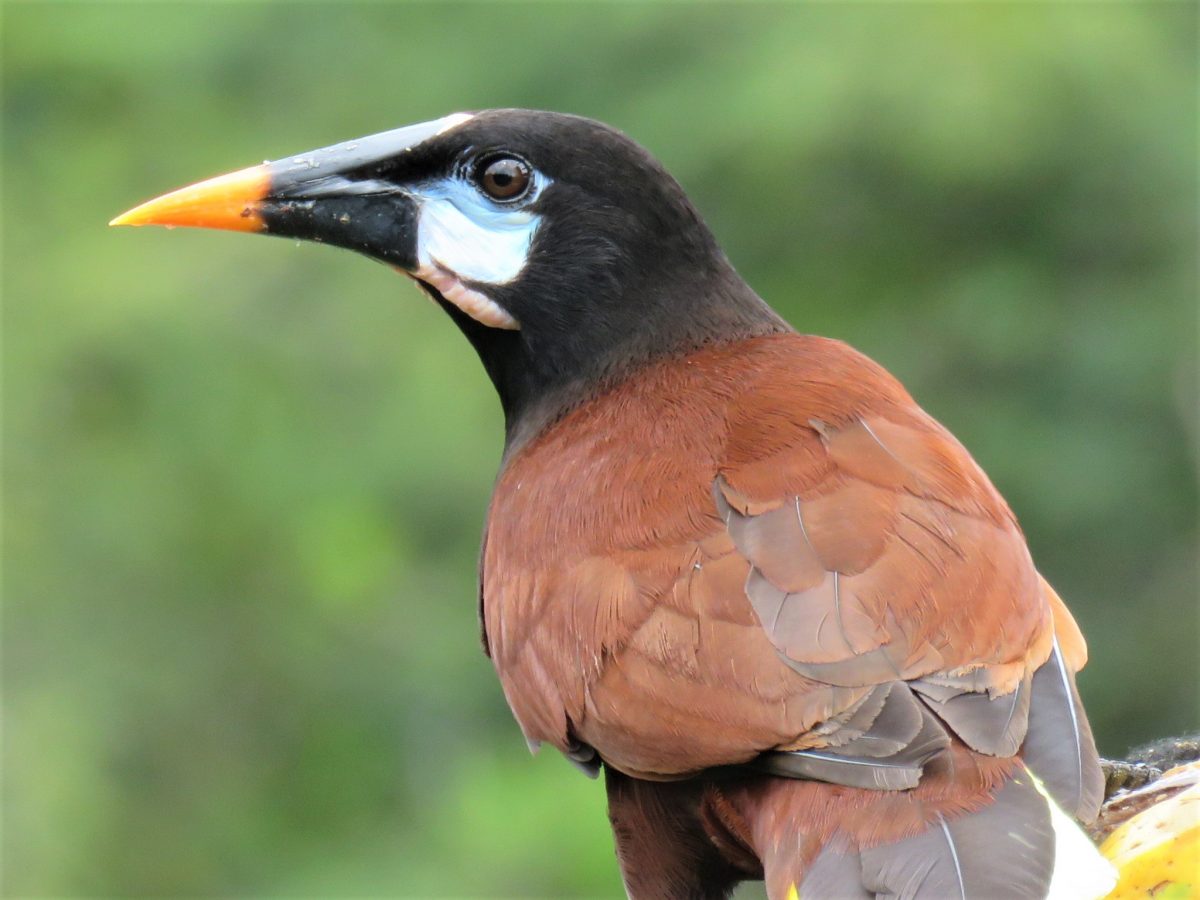
Neotropical Orioles are very similar to the Old World ones, but are not related. Same name, same looking, different family. How about the Blackbirds? Well, Neotropical and Paleotropic blackbirds share the same name, but dont look the same and belong to a different family (thrushes and icterids). Thats because our blackbirds and orioles belong to the Icteridae, family that is found only in the Americas.

The confusion started when the early naturalists visiting the Americas from Europe saw our orioles and thought them to be related to the Oriolus orioles of the Old World. Today we know they are not closely related. The family has around 100 species, and birdwatchers from Europe, Asia or Africa can easily mistake many members of this family by some Old World families like Sturnidae – Starlings, Oriolidae – Old World Orioles, Corvidae – Crows, Jays, and Magpies and Callaeidae – Wattlebirds. The other bird names besides New World orioles and Blackbirds that are part of this family are bobolink, meadowlarks , grackles, cowbirds, oropendolas, troupials and caciques.
Most members of Icteridae are considered Least Corcern however there are some Endangered and Critically Endangered species and Slender- billed Grackle is Extinct. Our grackles are very common in some cities, and are play the same role as Mynas in Asia.
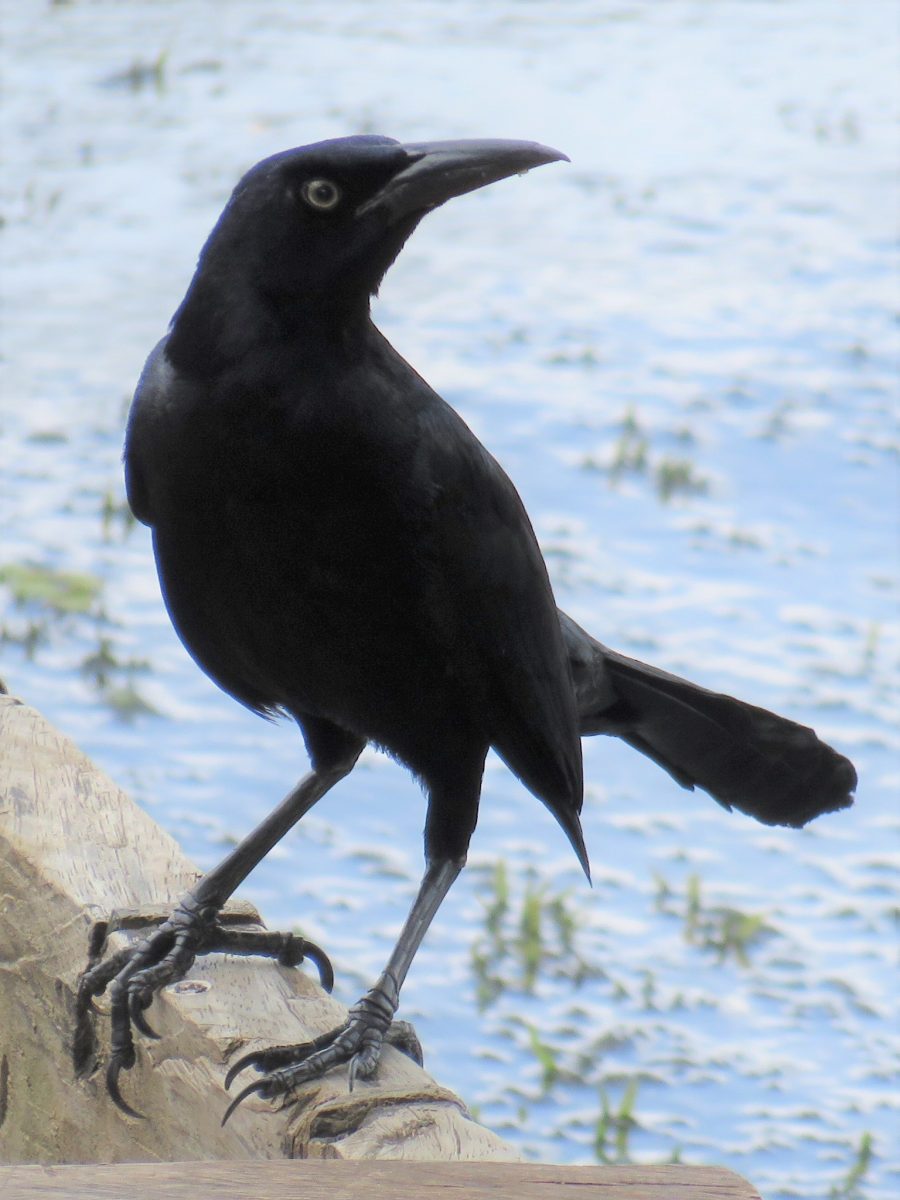
Icterids or New World blackbirds are small to medium-sized, some very colorful. Most species have black as a predominant plumage color, some are completely black and look like african or asian Drongos.Some others have a combination of black, brown, red or yellow.
The monogamous species show very little difference between sexes, and both male and female often have bright coloured plumage, and on the other hand polygamous species show sexual dimorphism .
The family name comes from the Greek ikteros. The word is related to jaundice, probably because Iktericus was a mythological yellow bird which was thought to cure this disease. Icterid literally means jaundiced.
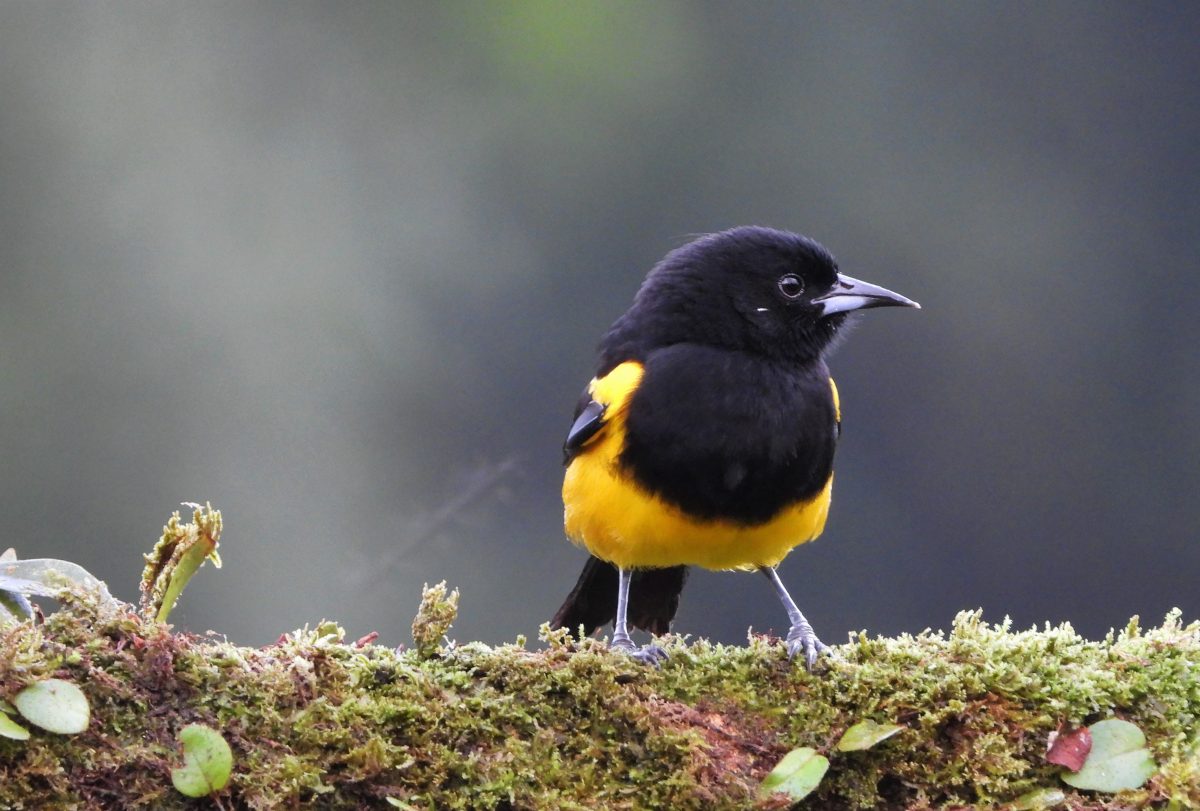
Icteridae no doubt evolved in the New World, almost certainly in South America where today the largest number of species occur. Today all are confined in their distribution to the New World. However, the large genus of the orioles, may be of Central American origin.
They inhabit a range of habitats, including scrub, swamp, forest, and savanna, and some temperate species are migratory.
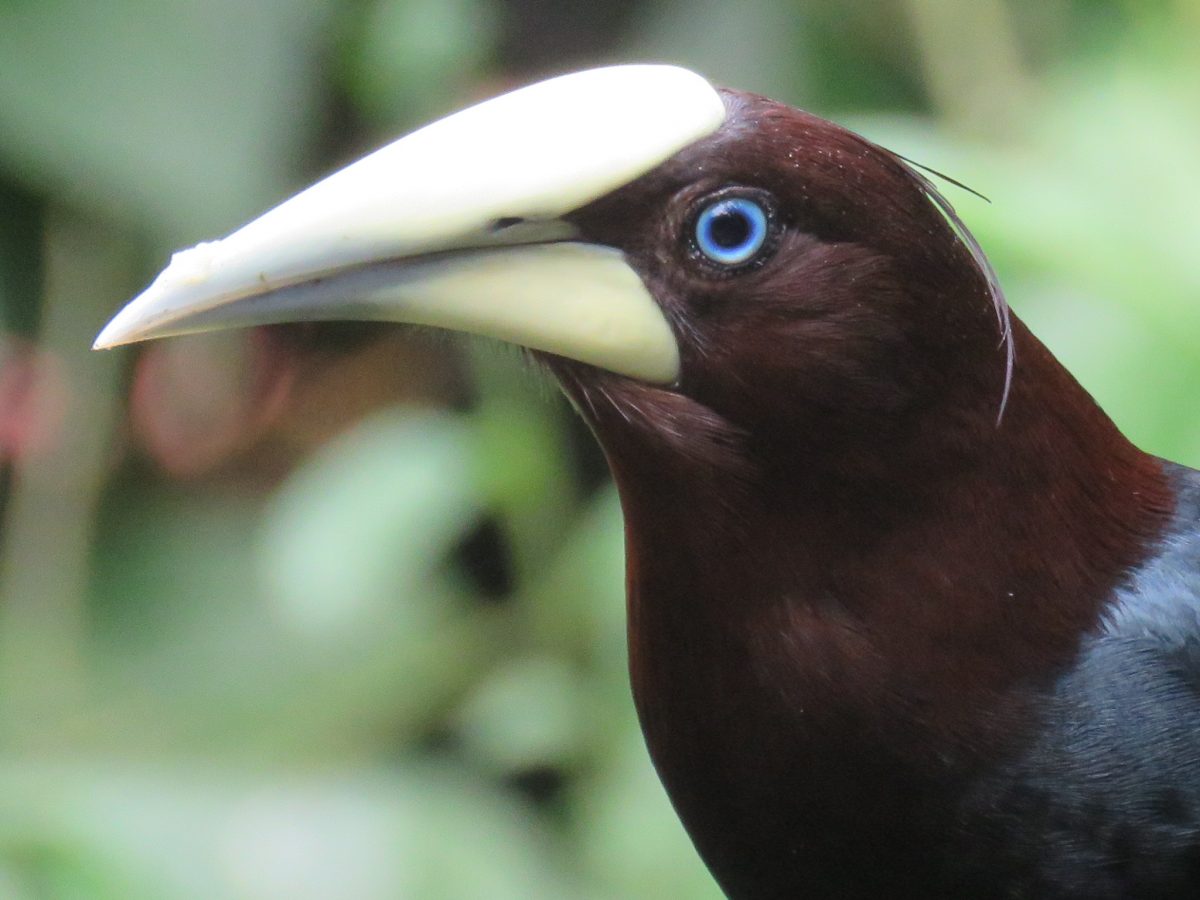
Icterids have a very varied diet and feed on a broad range of items. The largely arboreal oropendolas, caciques, and orioles commonly forage by gleaning food from vegetation in trees. Members of this family feed on insects, fruit, nectar, small vertebrates (including nestlings of other birds), seeds and other grain. In fact, Red- winged Blackbird has become agricultural pests in the United States and is considered the worst vertebrate pest on some crops, such as rice.
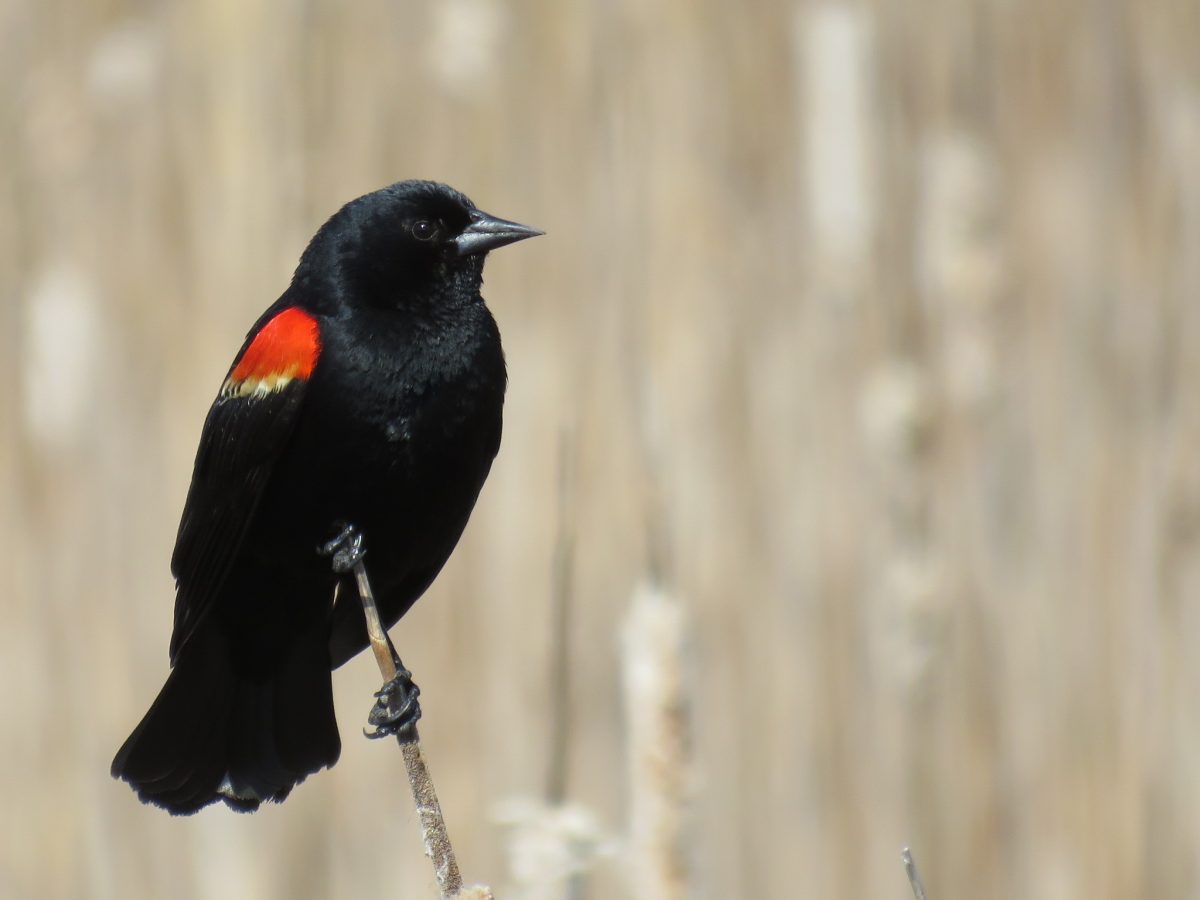
They show an interesting morphological adaptation. The skull is configured to allow them open their bills strongly rather than passively, allowing them to force open gaps to obtain otherwise hidden food. This ability is called gaping, By gaping they insert their closed bills into a flower, fruit, or stem, then open the bill to expose food or facilitate nectar feeding.
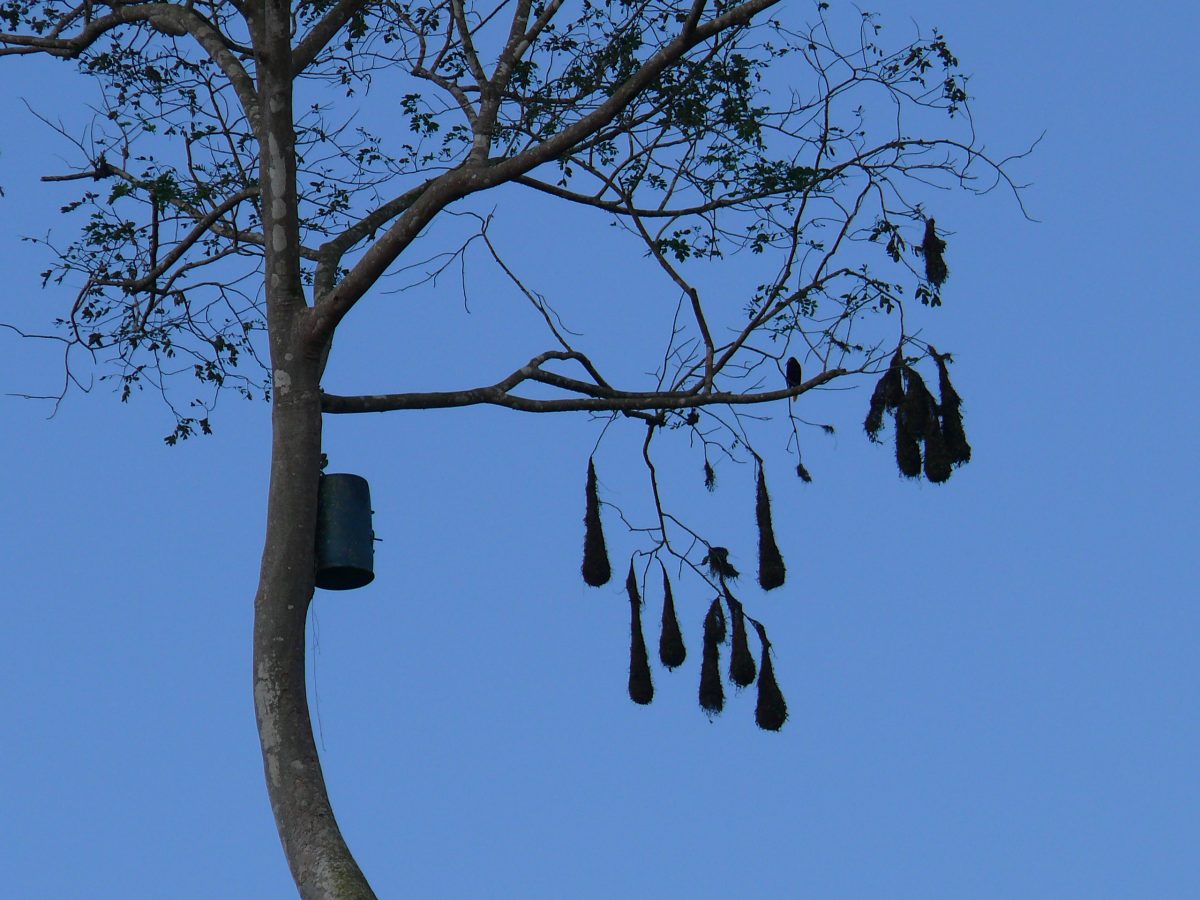
Nesting habits of these birds are similarly variable Orioles, caciques, and oropendolas weave distinctive pendant bag nests, which are suspended from the branches of trees. Many icterids are colonial, nesting in colonies of up to 100,000 birds. Some other members of the family (the cowbirds) engage in brood parasitism: females they lay their eggs in the nests of other species of bird.


