

 Follow
I recently received a message from Ron Jensen, a good friend from Canada. “Congrats Alfredo, well done”.
Is not my birthday, I thought. I havent done anything remarkable lately. So, what is this congratulation about? I replied to my friend and asked him for some more information.

“Alfredo, you and your company Wildbird Tours are listed among the best 175 birding companies in the world”. What a good news!
He sent me the picture of the magazine and the article inside. Birdwatching Magazine is a well known bimonthly magazine from the US. In this article the authors published a directory of what they think are the best birding – tour providers.
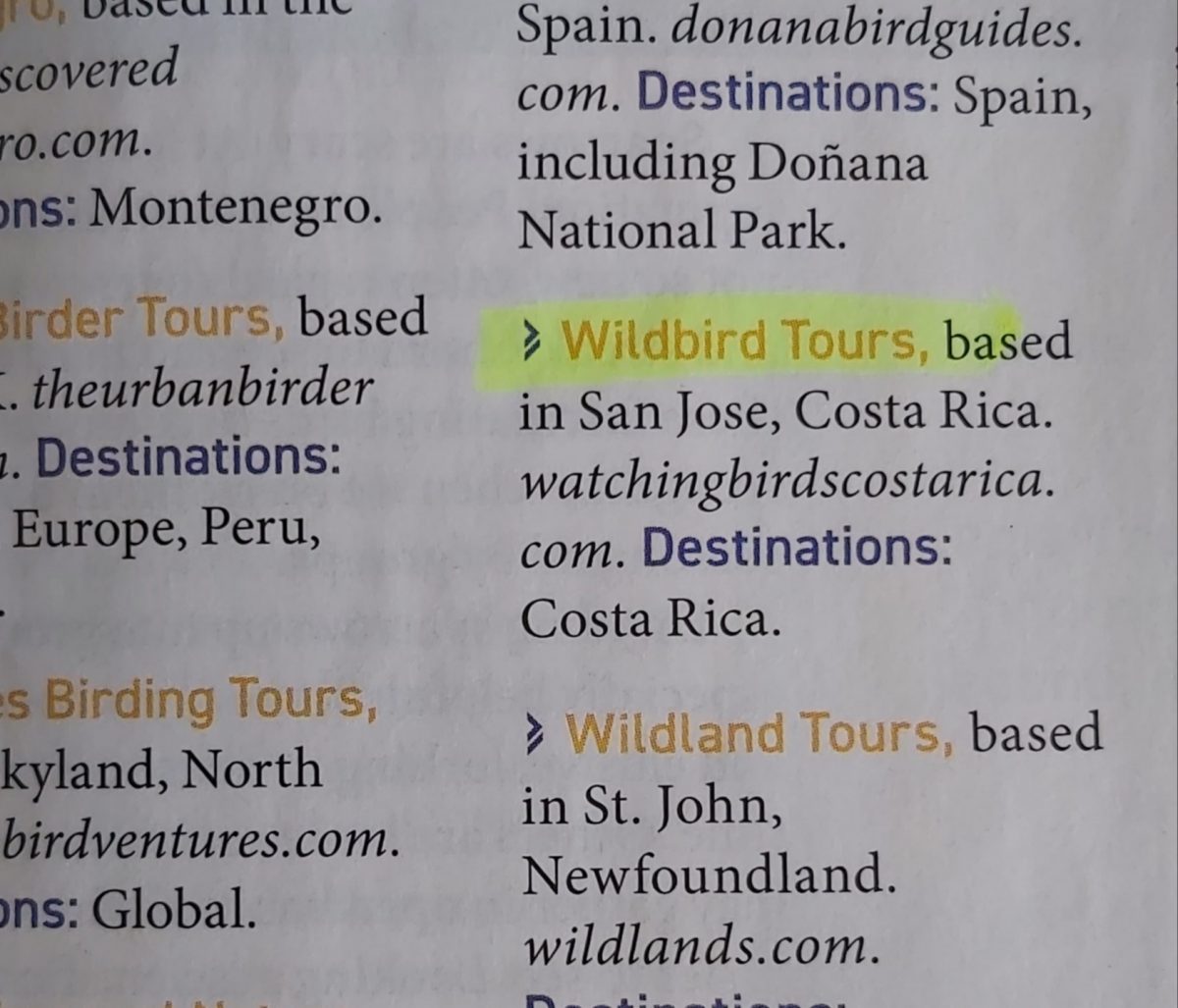
Some of the big international birding companies are mentioned, but many local or regional companies as well. In my experience after almost 30 years in the field, the big companies who organize birding trips to Costa Rica almost always hire a local operador to run the tour or help with the itinerary. It makes all the sense. There is nothing like the locals to know where to find the best spots for birding or photography.
It was also good to see that forty nine touroperators from the list are based in Latin America, and many of the big international companies have Latin America in their list of birding destinations. So, because of our huge biodiversity is not surprising that the neotropics represent more than fifty percent of all the destinations around the world. There are extraordinary families of birds in Latin America that keen birders and photagraphers can not miss, including tanagers, hummingbirds, motmots, puffbirds, antbirds, antpittas, manakins, tucans and many others.
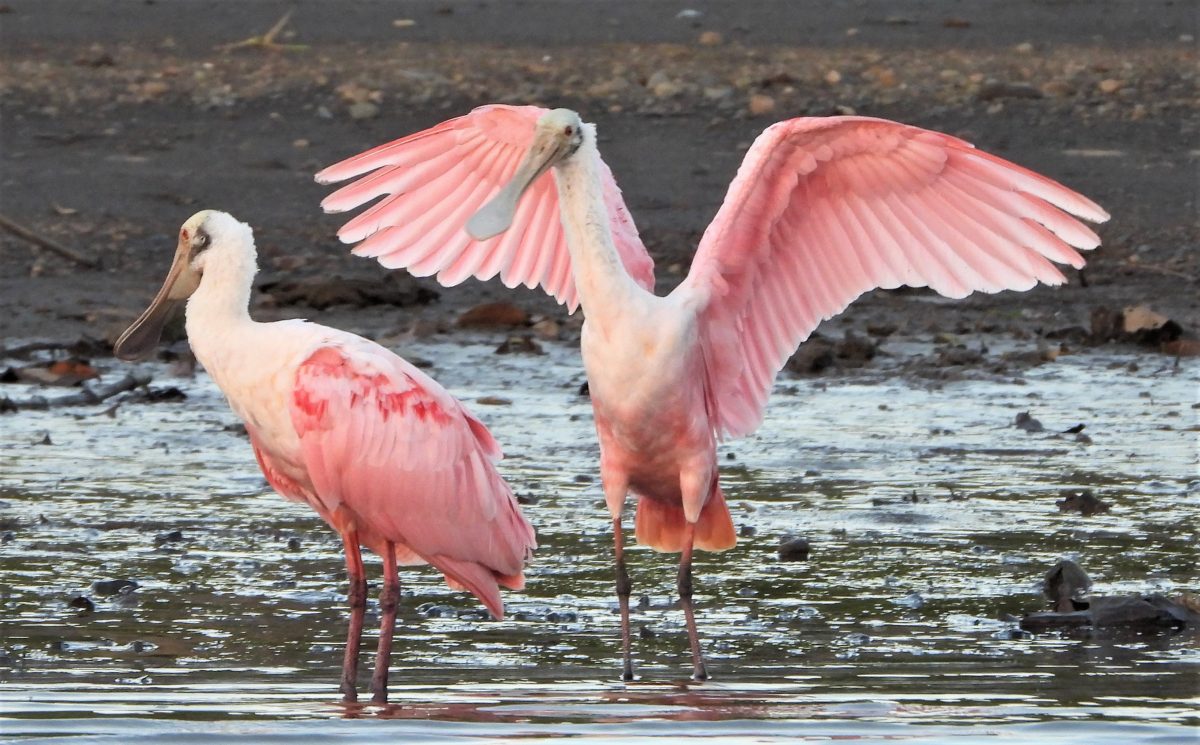
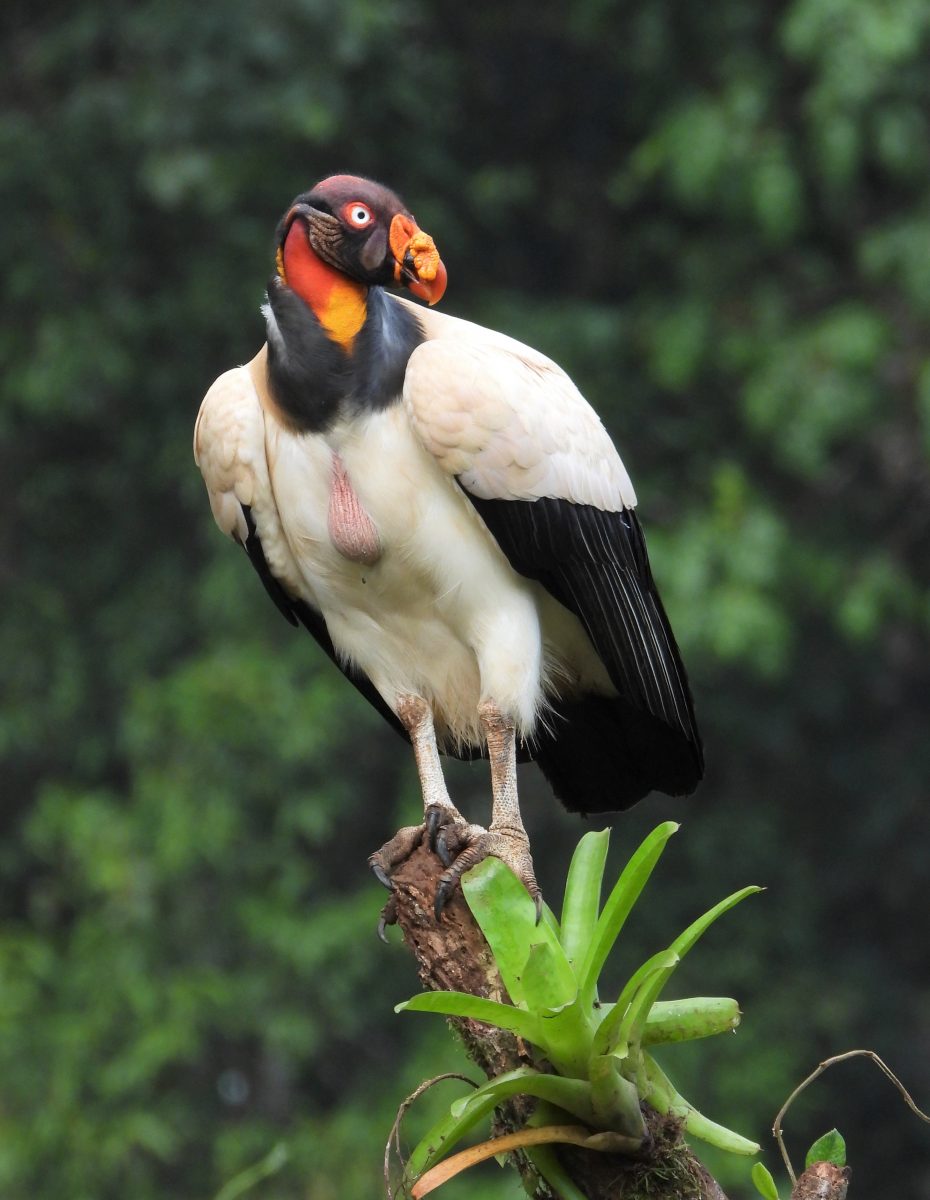
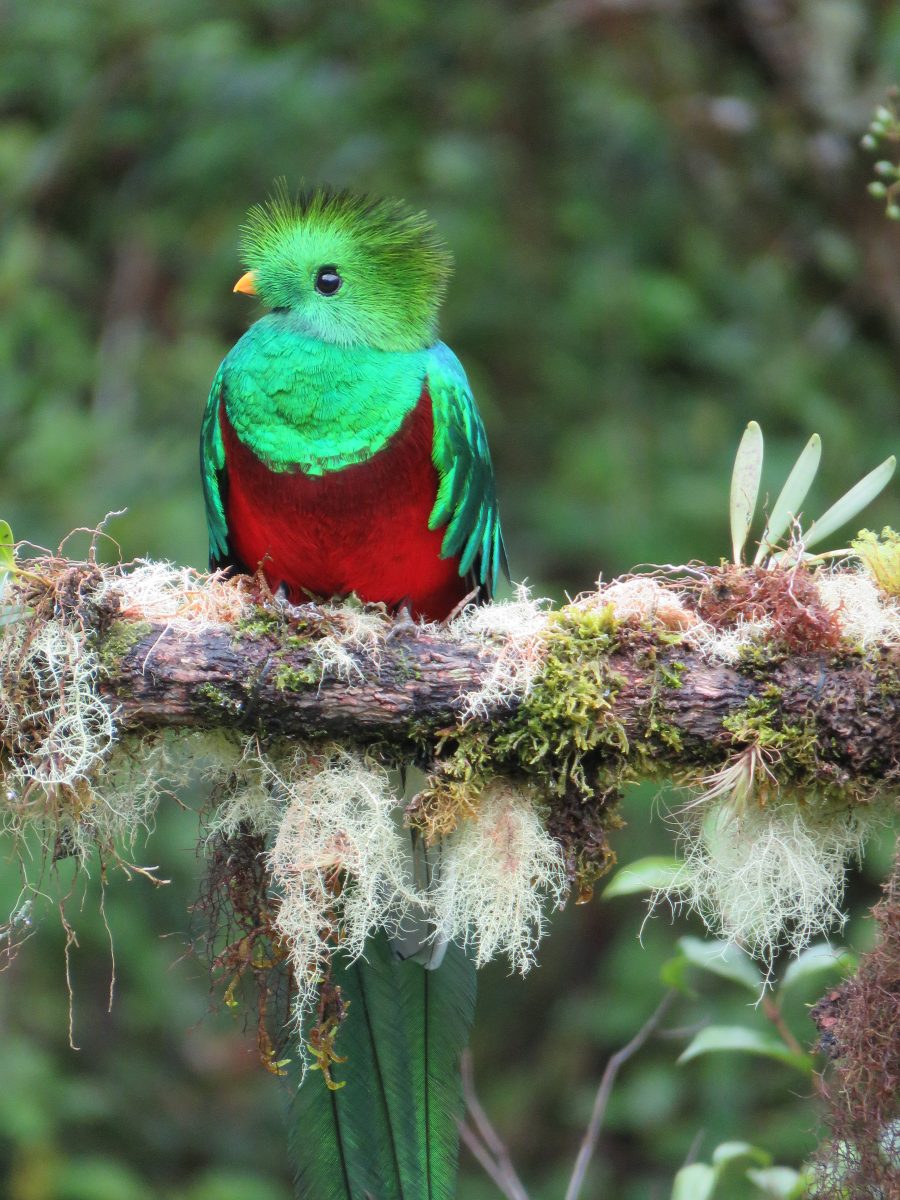
But also, there are members of families that are represented in other continents but here in the neotropics are amazingly beautiful. Roseate Spoonbill, Resplendent Quetzal (trogon) and King Vulture (close relative of accipitrids) are excellent examples.
Wildbird Tours organizes birdwatching tours and photography trips to Costa Rica and Panama. Birding groups, customized birding holidays and bird watching vacations anywhere in Costa Rica.
Watch the video in Youtbe https://www.youtube.com/watch?v=67tl14YJBGY

Resplendent Quetzal : The people who protects the most beautiful bird in the world
Birdwatching in Costa Rica is an extraordinary experience, thanks to the fantastic diversity of the country, the ease of finding birds, and the general infrastructure and high quality lodges.
There are many ways to do responsible tourism. This is one of the most remarkable example.
This article is about the Resplendent Quetzal and a group of farmers who found the way to protect the environment, and the quetzal population by showing the birds to the visitors they have a better way of living in a sustainable way.
Costa Rica can be divided in three main regions. Caribbean lowlands, Pacific lowlands and mountains. The highest peaks in the country located at 2.000 meters or more are part of a very unique and special ecosystem : The highlands

One of the regions with the highest endemism in the entire country is the mountain of Dota area. It has 51 endemic bird species, found only in these mountains and in a small corner of western Panama, and nowhere else in the world. Most of these endemic species are very easy to see, and they are frequent birds on the trails of the national park and in the gardens of the hotels in the valley. This area is one of the must-see sites for birdwatchers and photographers for its great variety of species, the fantastic color of the birds and the presence of some emblematic species of this ecosystem. People who come to Costa Rica for photography or birdwatching visit this area sooner or later in their trip.
Of all the birds that birdwatchers and photographers want to see, the favorite is the Resplendent Quetzal. This is one of the most sought-after birds by birdwatchers worldwide. Alexander Skutch author of Birds of Costa Rica, described the male Resplendent Quetzal as “a supremely lovely bird; the most beautiful, all things considered, that I have ever seen.

Quetzals are trogons. There are six species of quetzales, but the most striking species due to the length of its tail and the beauty of its plumage is the Resplendent Quetzal.
This species is found only in Central America and the lower part of Mexico.
The subspecies mocinno inhabits southern Mexico, Guatemala, Honduras, eastern El Salvador, and north-central Nicaragua. The subspecies costaricensis inhabits Costa Rica and the western highlands of Panama.
There are scientific studies showing that both subspecies have been separated by more than 3 million years and that they should be considered different species, so that in the future we will probably speak of two species instead of one
The savegre region, in the Talamanca mountain range, is the best area in the country and perhaps in the whole world to find quetzals. Local experts think that the population in this part of the country have no less than 1.200 individuals.

Quetzals are not endangered in this part of the country and it are a common bird. However, it is a bird that lives in the forest canopy and it is generally difficult to find in the forest.
Quetzals have a varied diet that includes berries, insects, and lizards. But its main food is the wild avocado. There are at least 60 different species of wild avocados en the highlands, and quetzals eat all of them. Is not the same avocado we eat, they are much smaller. It is normal for this bird to make altitudinal migrations during the year, moving higher or lower in elevation depending on the season in which the avocados are in fruit. But in the Dota area, avocados are found almost all year round, so quetzals stay.

At all the farms there are forest patches, large and small, where wild avocados grow as part of the natural vegetation. As a result the presence of quetzals is common. People do not hunt or disturb them in any way, but there is a practice that affects the reproduction of these birds.
Quetzals nest in holes they make in trees. They don’t have as stronger a beak as woodpeckers, so they need dead trees with softer tissue to make their nest. When a tree dies and begins to decompose and its wood softens, female quetzals start working on the nest. The presence of dead trees in the forest is really important and is crucial element in the process of reproduction of Quetzals. On the other hand, local farmers use the wood for cooking. They have electricity, but they prefer woodstoves to prepare their meals. Because most of farmers in this area live in a protected area they can not cut living trees. The locals go to the forest, find a dead tree and cut it down. For obvious reasons this tradition of cuting dead trees is not helpful to quetzals.

Kabek is a word in Cabecar, one of our indigenous groups. It literally means Quetzal. The Kabek project started 2010 . It all started when Jorge Serrano, owner of Paraiso de Quetzales Lodge and two farmers, realized that they could convince farmers not to cut trees and that the presence of avocados and quetzals on their farms could be a long-term sustainable attraction. In this way, a group of farmers got organized to identify and care for avocados, protect the dead trees, and to build artificial nests for quetzals. The owners of Paraíso del Quetzal and a group of guides and local ecologists began to study the bird’s life cycle, its movement patterns, and its feeding and nesting habits. They also created a non profit organization called Costa Rica Wildlife Fundation that raises funds for conservation and is conected with Global Wildlife Fundation that works on research projects outside of Costa Rica. More and more people joined the project and nowadays Kabek has 23 families working together.
This group of people became experts in quetzals. They knew where and at what times of the year they could find these birds, and with the help of farmers, they could easily find the trees that quetzals were feeding on or nesting in. They realized that this information was very valuable for the protection of the species, but it was also a very valuable resource for sustainable ecotourism.

So they started selling the experience as a quetzales observation tour. This is how it works. Tour operators contact the Paraiso de Quetzal hotel. They assign a guide for the tour. The guide contacts the farmers and they tell him on which farms are the feeders or active nests. All farmers communicate by phone, so they can know where the quetzals are. In case the quetzals move to another tree on another farm, the farmers let the guide know, and in this way he and the group head safely to the site where they have a high probability of finding the birds . Tourists who visit Costa Rica for a birding holiday find in this tour a remarkable experience.
The groups are small, they never go to public places but visit trees located on private properties. All observation sites have facilities to use the toilets, roofed places in case of rain and flat surfaces to place the tripods of cameras and telescopes.
The tour costs $ 30 per person. Farmers earn $ 5 for each tourist, and they keep records of the number of tourists that visit their property. Farmers receive their fee if the visitors see the quetzal on their farm, if tourists do not see it, the owner earns nothing. But the chances to miss the bird on their farm is really low.
But this activity has become a very valuable economic resource for these families. Many of these people have a higher annual income from tourist visits compared to what they earn on farming. This is a good example.
Mr William grows blackberries. However the visitation of tourists is so important, as he normally receives a check of $ 10,000 annually, and this is more than he earns in agriculture. As a result of this, more families want to be part of this Kabek project and there is a general awareness that the nests of quetzals and avocado trees must be preserved. In 2019, the families that are part of the project received a total of $ 30.000. They also receive some money in the low season, when the tourist dont visit the area much.

The Kabec project has brought a great benefit to the quetzal population because local people protect their habitat. Artificial nests have been successful because they are safer for chicks and predation is decreased.
The Northern Emerald Tucanet is a beautiful bird we all want to see, except the quetzals. This tucan is a major predator of quetzal nests. The local farmers try to keep this predators away in order for the quetzal population in the region to increase and also for the population of wild avocados wich depend on quetzal for seed dispersion to increase.

There is an obvious benefit for local guides who receive a daily payment for each tour and also tips from visitors. The hotel receives money for the sale of the tour, and for the sale of the breakfasts and lunches for tourists who finish the tour at the end of the morning. Many of these tourists want to repeat the experience the next day or want to go looking for many of the other bird species in the Dota area, which is one of the best places in Costa Rica for birdwatching and photography, and the site with the highest bird endemism in the entire country.
Finally, tourists benefit greately and enjoy their extraordinary chance to watch and photograph Resplendent Quetzals. They are going to see quetzals like they never imagined they could, in addition to the satisfaction that their money goes directly to help the species, its conservation and to improve the standard of living of the local population.

As a result of Kabek, the quetzals, the environment, the people who work in tourism, the local population and the birdwatchers and the tourists all enjoy the benefits . Quetzals are never guaranteed in a birding trip in Costa Rica, but Kabek offers indeed the best chance of finding it in ideal conditions.
But not all the companies use Kabek. Because they dont know the project or because they pretend they dont know it. Despite the obvious benefits of Kabek, several local and international tour companies organize quetzal sighting tours taking tourists to the feeding and nesting sites along the edge of the public road. This is not the best option. These groups blocks the way, and it is very difficult for the birders to share the same bird among so many people who carry their telescopes and tripods with large cameras. In our experience after many years of birding, this visitors get a poor viewing of the bird most of the time.

This happens because the touroperators dont know about Kabek or dont want to pay the $ 30 that the activity with Kabek costs.
Tourists who take that tour believe that their experience is the same as that of all other visitors and that this is the only way to see quetzals. They think that all tours are the same and that all companies look for quetzals in the same conditions of discomfort. But it is not true. Our company Wildbird Tours and other local operators discovered Kabek years ago and operate the tour with them. We know that kabek is the best option in Dota – savegre area for those looking for quetzals, and also for an outstanding birdwatching trip in the highlands of Costa Rica.
well, now you know this tour exists. If you have booked a birding tour to Costa Rica is almost for sure you have Dota/ savegre highlands included in your itinerary. Please check if Kabek tour is mentioned in your trip plan. If not, ask your tour operator to include this tour in your itinerary when you visit the highlands or, better, contact us!!
You can make the difference and create a positive impact to the forest, the local people, and specially, to the Resplendent Quetzal.

Wildbird Tours organizes birdwatching tours and photography trips to Costa Rica and Panama. Birding groups, customized birding holidays and bird watching vacations anywhere in Costa Rica.
On Friday, July 3rd, I had the opportunity to present a talk for audience of the Asian Birdfair – ABF about the diversity of the neotropics, sustainable ecoturism with a special emphasis on the operation of birding tours in Costa Rica.

The subject of the conference was based on how easy it is for birdwatchers and photographers to observe and photograph birds in the Costa Rica. It is important to mention all the hotels and private facilities that have bird feeders and trails in excellent conditions.
The Asian public is discovering the colors of tropical America and they visit our country more and more frequently. We are sure that in the near future we will have a significant influx of tourism from China, Taiwan, Thailand, Malaysia, India, and other Asian countries visiting Costa Rica. It is especially interesting that most of the tourists from Asia who visit us come with an interest in photography rather than birdwatching.
The lecture generated a lot of interest. we had more than 600 reproductions. I share this talk with you. To see the talk in full please visit https://www.facebook.com/www.asianbirdfair.org/
The lecture covered various aspects related to ecotourism in general and costa rica as a perfect destination for birding holidays. I will mention some of them.
In the Word, the tropical zone can be divided in Paleotropics and Neotropics
The neotropics basically cover south and central america and just the southern side of North America
Has has a huge biodiversity. Thats why is so popular for turist looking for wildlife, photography and birdwatching because: there is not long driving time to go from lodge to lodge, animals and birds concentrated in a small territory, and better chances to find them, costa rica has mountains, coast, ocean in two sides, because of that are many different habitats and that produces a higher diversity, it is also a great place for landscaping tourism and people frecuently see beautiful scenery in any trip
how big is CR compared with other countries in asia ?
Thailand is 10 times bigger and have 151 more birds
China is 188 times bigger and has 488 more birds
But if you compare size vs # of birds CR is more diverse by far.
The question is: how far you have to travel to get 350 birds?
I spent 17 days in India in March and got 290 birds, and 220 in China in 12 days in November.
In CR you can get more than 350 in less than 2 weeks / coast to coast in takes 5 hours and only 10 hours to cross the whole country

In Costa Rica you find families of birds you wont find in any other continent in the planet. People visit us looking for Resplendent Quetzal, tucans, motmots, and hummingbirds of course.
Costa Rica is a very young country geographically speaking. It became a natural bridge for many species but as a natural filter for the especies that couldnt cross to the other continente but stayed in CR
Costa Rica can be divided in five big areas of diversity. The best way to take advantage of the geographic diversity is visiting all the places in one trip.. In a normal birdwatching trip in Costa Rica we move from region to region every two days, so people see diferent species constantly.
In other countries people are not allowed to get off the car and walk the trails because of the tigers, lions, bears, buffalos, rhinos, etc. In Costa Rica while you are birding you can walk as much as you want. You usually go with your birding guide, but if you want to go on your own on your free time birding of photographing you can go anywhere. No chances to get lost or dangerous animals (basic common sense). Our tourists usually spend some time taking walks on their own
When we talk about birding we talk about travelling because you have to travel to see or photograph the birds.
If you travel to India in February from Taiwan or Philipines it will cost you $ 650. If you travel to Costa Rica in February from Taiwan or Philipines it will cost you $ 1.200.
When is good time to visit CR for birding or photography vacations? there are two seasons in CR, dry (dec to april) and rainy (may to november. If the tour is only for photography we can see 20 new species a day (280 sp in a trip), if the tour is only birding we can see 350 – 400 birds in a trip (30 new ones a day), in a combination of both we finish the trip with 350 birds
Talking about birding, in my personal experience is much easier to do birding and photography in the Neotropics than the rest of the world. I have birded in Paleotropics in África and southeast asia and the birds in general are shy and hard to find or photograph. If you look for other animals, is easy to find frogs, lizards, snakes, insects, orchids, in the Neotropics compared to the Paleotropics.
In conclusion, Costa Rica is the best introduction to tropical birds for the ones that are new to this part of the world, and we are more than sure you will come again.
Wildbird Tours organizes birdwatching tours and photography trips to Costa Rica and Panama. Birding groups, customized birding holidays and bird watching vacations anywhere in Costa Rica.

I posted a short article on July 13th named “How should we call this bird?” Remember? The article is about the complex taxonomy of Emerald (Blue-troated Tucanet) (ccc). Solving that problem will take time and lots of research, but for now when you are in the forest and have the chance to see one of this beauties, this kind of nomenclature issues turns irrelevant . Birdwatching in Costa Rica is sometimes challenging, and finding this elusive toucanet is not always easy. Places like Monteverde, Savegre area and Braulio Carrillo National park have earned a good reputation as places where the chance of seeing it is higher.
I also posted another article on May 18 (please go to http://watching-cp73.wordpresstemporal.com/watchingbirdscostarica.com/want-see-quetzal/ ) regarding to Quetzals nesting in the highlands of southern Central America.
Well, believe it or not, Quetzal and Toucanets are natural enemies. Not because they compete to see who is more beautiful (I prefer the Quetzal to be honest), but because Emerald (Blue-troated Tucanet) is the most important predator of nests and Quetzal youngs in the highlands where both species share the habitat. Tucanets are active predators and in the highlands, Monteverde area for example, Toucanets have been observed attacking nests of another small forest jewel: Long-tailed Manakin.
Every year is the same story. Once somebody discovers an active Quetzal nest a horde of birders and photographers runs to see and take pictures (from a safe distance to the nesting couple). But sometimes the couple abandon the nest and you dont see them around for the rest of the year. The answer of the local birders is usually the same: an Emerald Tucanet attacked the nest again!!
I dont blame our Tucan friend. Both are part of the food chain and both are necessary to the ecosystem. If you visit Costa Rica, I recommend you to go to the cloud forests anywhere higher than 5000 feet in elevation. From January to late March you see more activity because is mating and nesting season. Are you planning to go birding to Panama? Then go to Volcan area in Chiriqui.
Please contact me at info@watchingbirdscostarica.com to know about my secret birding spots.
 If you want to see or photograph Quetzals you should visit Savegre Valley in Costa Rica.
This is one of the best places in the World to see Resplendent Quetzal and righ now they are quite active building nests and feeding the youngs. The bird makes altitudinal migrations looking for the wild avocados, its main source of food.
In other countries Quetzals are harder to find because they move lower or higher in elevation looking for the avocados. But in this region avocado trees are abundant and the Quetzal stays in the area all year round. Check the pics I recently took and you see male Quetzals carrying protein and avocados to feed the chicks.
The beetle in the photograph is a Jewel Scarab in the genus Plusiotis, another beauty of the tropical forest.
I invite you all to contact me if you want to come to Costa Rica for birding or taking photographs, birds and wildlife in general. We have been organizing nature trips for over twenty years.


Several species of toucanets that look different share the same scientific and English name. But one species of toucanet of the same group has two different scientific and English names. Sounds confusing I know but the taxonomic status of this fantastic green-colored toucanet (I wont call it Emerald yet) is uncertain.
From Costa Rica to Northern Central America we call Emerald Toucanet to a bird that has white yellowish throat in Belize and Guatemala, but blue throat here in Costa Rica and Panama. The pattern of colors in the bill is diferent too. That toucanet in Costa Rica is identical to the one in Panama but they call it Blue-throated Toucanet. So, same name but different bird, or same bird but different name?
 Our Facebook friend Theo Grijalva posted two days ago a picture of Aulacorhynchus prasinus in Guatemala. Well, let me try to explain the problem as I see it. “Emerald Toucanet” is an assemblage of Neotropical toucanets that inhabit humid montane forests distributed from Mexico south to Bolivia.
A. prasinus, is considered to constitute a complex of multiple species that consists of at least seven morphologically and genetically divergent species, mainly distinguished by patterns of coloration of the throat and bill. However, vocalizations are similar among the subspecies thoughmost forms are allopatric and replace each other along elevational and latitudinal gradients. The distribution and differentiation of this group fit nicely into the “refugia” hypothesis of diversification in the Neotropics as a result of Pleistocene climatic fluctuations.
Depending on the authority, numbers of species in Aulacorhynchus may range from 6 to 14 but the most accepted taxonomy recognizes the following:

A.cognatus (Goldman’s Bluethroated Toucanet) Endemic to the isolated mountains in the Darien of eastern Panama
A. caeruleogularis (Bluethroated Toucanet) Endemic to the mountains of Costa Rica and western Panama
A. wagleri (Wagler’s Toucanet) Endemic to the Sierra Madre del Sur of Guerrero and southern Oaxaca in Mexico.
A. prasinus (Emerald Toucanet) Inhabits cloud forest from northeastern Mexico south to Nicaragua. Depending on the area where Theo Grijalva took the picture in Guatemala, the bird can be A. prasinus chiapensis or A.prasinus virescens.
A. albivitta (Whitethroated Toucanet) Ranges along the Andes of northern South America from Venezuela and eastern Colombia.
A. griseigularis (Greythroated Toucanet) Endemic to the central and western Andes of Colombia
A. atrogularis (Black-throated Toucanet) Ranges along the eastern slopes of the Andes of Peru
Problem solved. It seems that the bird we have in Costa Rica is Bluethroated Toucanet. But wait just a minute!! The American Ornithologists’ Union (AOU ) is the organization that rules the taxonomy of all birds in North and Central America, and according to them there is only one green-colored toucanet species in this region : Aulacorhynchus prasinus, the Emerald Toucanet. Period. Only one.
So if the nomenclature of birds is important to you, or if you really want to know how many different species of toucanets you saw in Central America in your las trip, you have to wait for a while. For now, birders from Costa Rica up to Guatemala have to use a standard name for several different birds, and while you are in Costa Rica you should use a name that you know that is not right!!
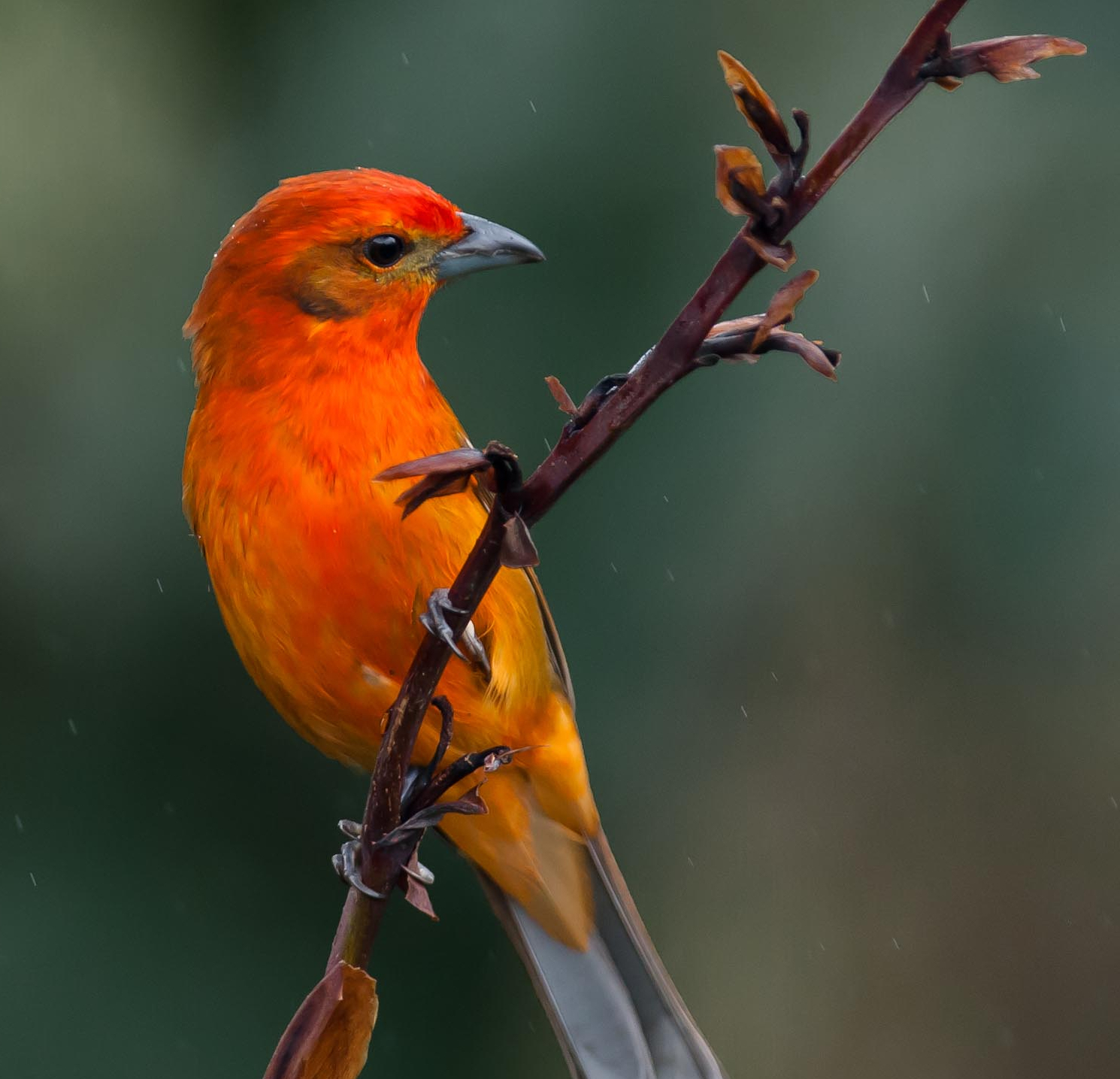
Well, they are. They keep their common name, so there is nothing wrong if you calll them tanagers next time you see one. But, taxonomically speaking they are not part of the traupid family anymore. The AOU (American Ornithology Association) decided to place ten of them with the cardinals and three more with the finches, seedeaters and sparrows.
Many times american or english birdwatchers ask me if they should call the bird with its new name, like Summer Cardinal, or Sooty-capped Bush- Finch. The answer is no. Common names dont show the taxonomic or systematic relationship of a bird , is just a way to call it. Easier to remember and pronounce than cientific names.
Again, next time you see a Hepatic, Summer, Scarlet or Western call it Tanagers as always!!!
We have started the year by participating in some of the biggest bird watching fairs. We want to have bird watching enthusiast come to Costa Rica and enjoy the rich bio diversity that we get to enjoy each day.
Costa Rica has a total of 894 species of birds on record, but don’t take our word for it, come see our beautiful bio diversity with your own eyes.


This handsome bird is the Chestnut-colored Woodpecker, found from Mexico to Panama. Males and females look pretty much the same. A tropical forest dweller of Caribbean lowlands and foothills in Costa Rica, is usually spotted by birdwatchers around forest edges in humid habitats. If you are birding in Costa Ricaand hear a falling skeeeeew call followed by keh, keh look around, our bird of the week has arrived.
Popular posts from our blog!
