

Are all the tanagers true tanagers?
 Follow
First of all, what is a true tanager? Common names are never wrong because you can give a bird any common name you want. It is supposed that the most advisable thing is to call a bird with the same common name that the other species of that family have in order to avoid confusions, but a bird can be called a tanager even if it is not a traupid and nothing happens.
In my previous post about antbirds (https://watchingbirdscostarica.com/blog/do-antbirds-eat-ants/) we learned there are several families of birds that are not related to each other and are called “antbirds”. Good examples are anttanagers, antwrens, antpittas, antthrushes. But most of these antbirds do not belong to the “true antbirds” or Thamnophilidae family.

To make things more confusing, these birds do not belong to the family their name indicates, since anttanagers are cardinals and antthrushes are not thrushes but formicarids. Antpittas are not true antbirds and they are not pittas either. Only antvireos and antwrens are tamnophilids or true antbirds, but they are neither wrens nor vireos. Clear enough?
Well, good news. The same thing happens with tanagers. There are two large groups of them: the family Thraupidae or true tanagers and the others (some members of the cardinals, Rosy Thrush-Tanager recently moved to the new family Rhodinocichlidae, Dusky-face Tanager recently moved to the new family Mitrospingidae).
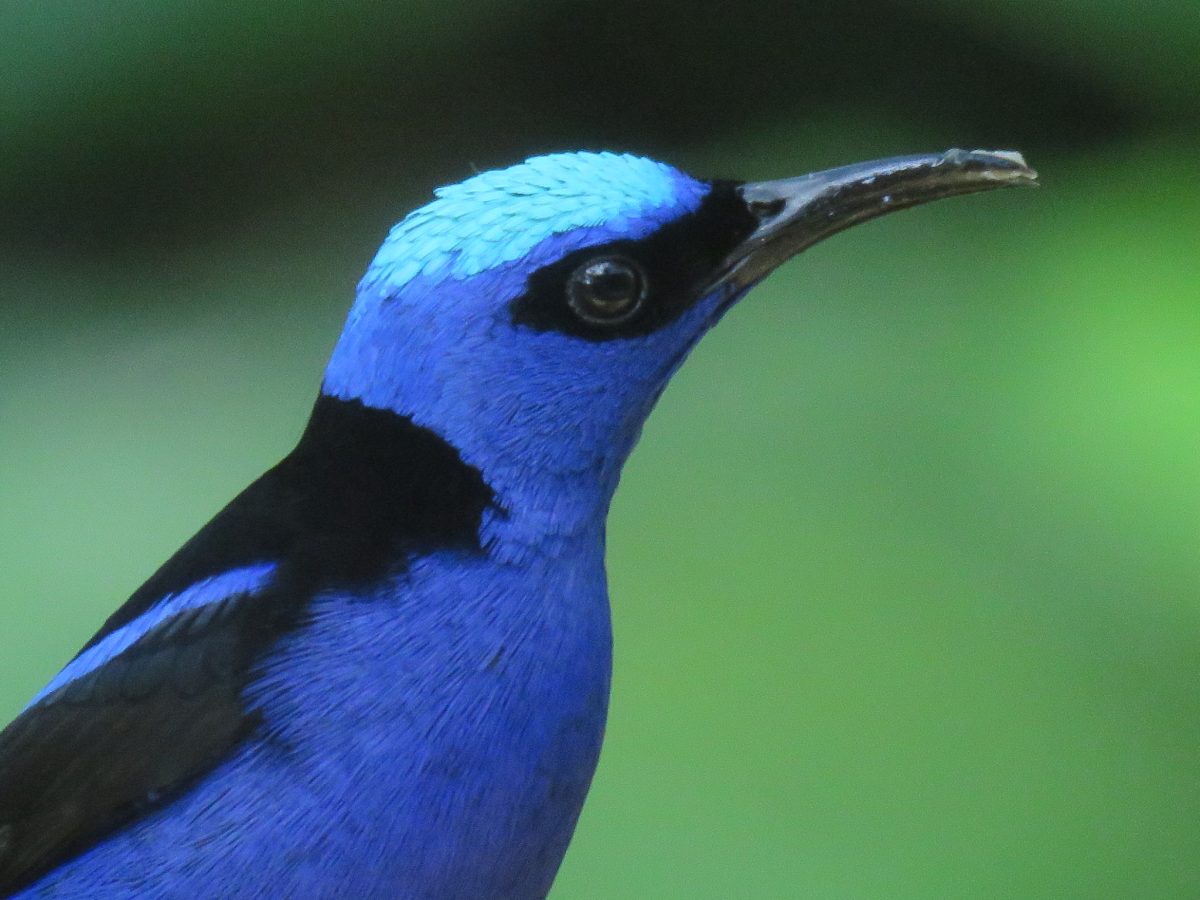
In today’s blog I’m going to talk about true tanagers or traupids.
The Thraupidae family is endemic to the Neotropical region, and is found nowhere else on the world. If you are a keen birder and need that family for your lifelist, you have to come to the Neotropics. That’s it, as simple as that. All members of this family are essentially non-migratory.
The family represents one of the most diverse groups of birds in the world. Is according to many ornithologists the second-largest family of birds in the planet and represents more than 10% of all bird species in the Neotropics.
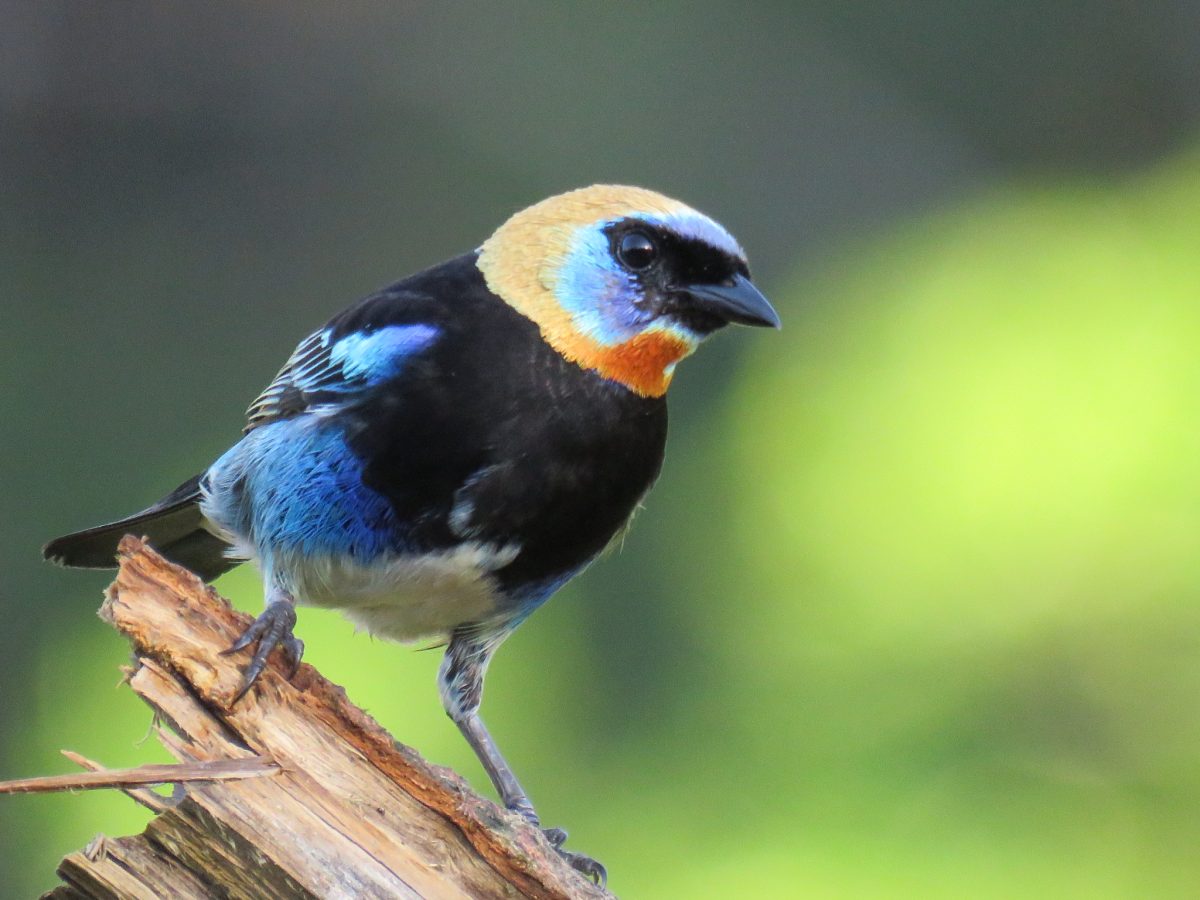
Since genetic sequences are used to help determine the relationships between species, a greater delimitation of this family and other related ones has been achieved. But, for this reason this family has undergone various taxonomic changes, and various groups of species have been added and then removed from it.
Not all the members of this family look the same. Certainly all members of the genus Tangara look similar, but the finches, saltators and seedeaters look different. Take note that even Darwin’s finches on the Galapagos are considered true tanagers.

Spectrographically speaking, the bird with the brightest red plumage
In 2017 a taxonomic earthquake occurred. Ten species of traupids were moved to cardinals, and Rosy Thrush-Tanager and Dusky-face Tanager were each placed in their own family. But only that. The whole family Emberizidae was removed from the Neotropics and almost all its members (Saltators and New World Seedeaters) moved to Traupidae. What a year!!
Traupids are colorful. Many species are recognized mainly for their striking colors, but also for their diverse behavior. People who visit Costa Rica for birdwatching and photography they always look for tanagers because of its beauty and also because they are easy to photograph.
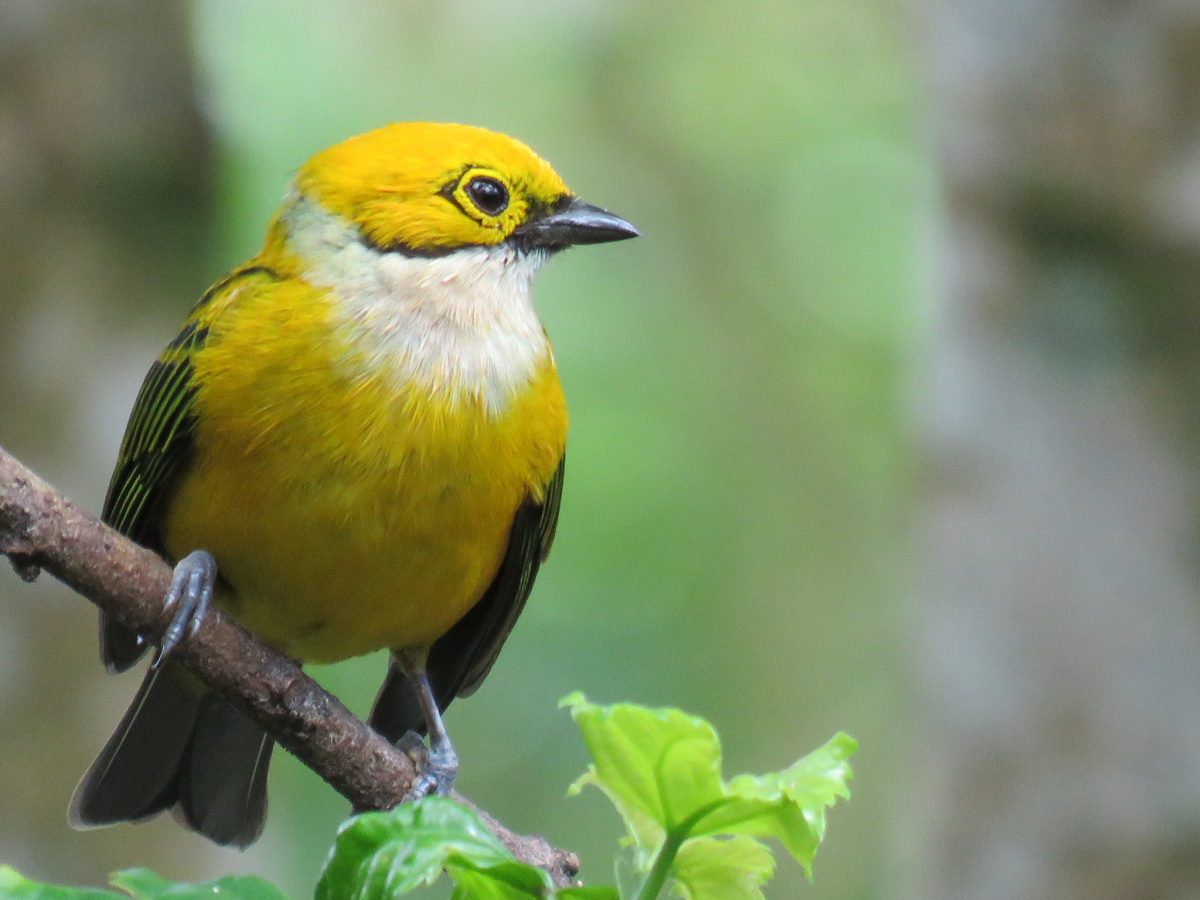
They live in all levels of the forest. Some are found only in the canopy, others in the middle level, and some are followers of ants in the understory. There are species that hunt insects and larvae in the tangle vegetation and are shy, while others frequently venture gardens and are frequent visitors to feeders. Most of them are not gifted singers, live small groups, and is also common to find them as part of mix flocks.
Their diet is very varied as they go for seeds, fruits, insects and nectar. Well, it makes sense. In such a large and diverse group it is important to exploit different ecological niches to reduce competition.
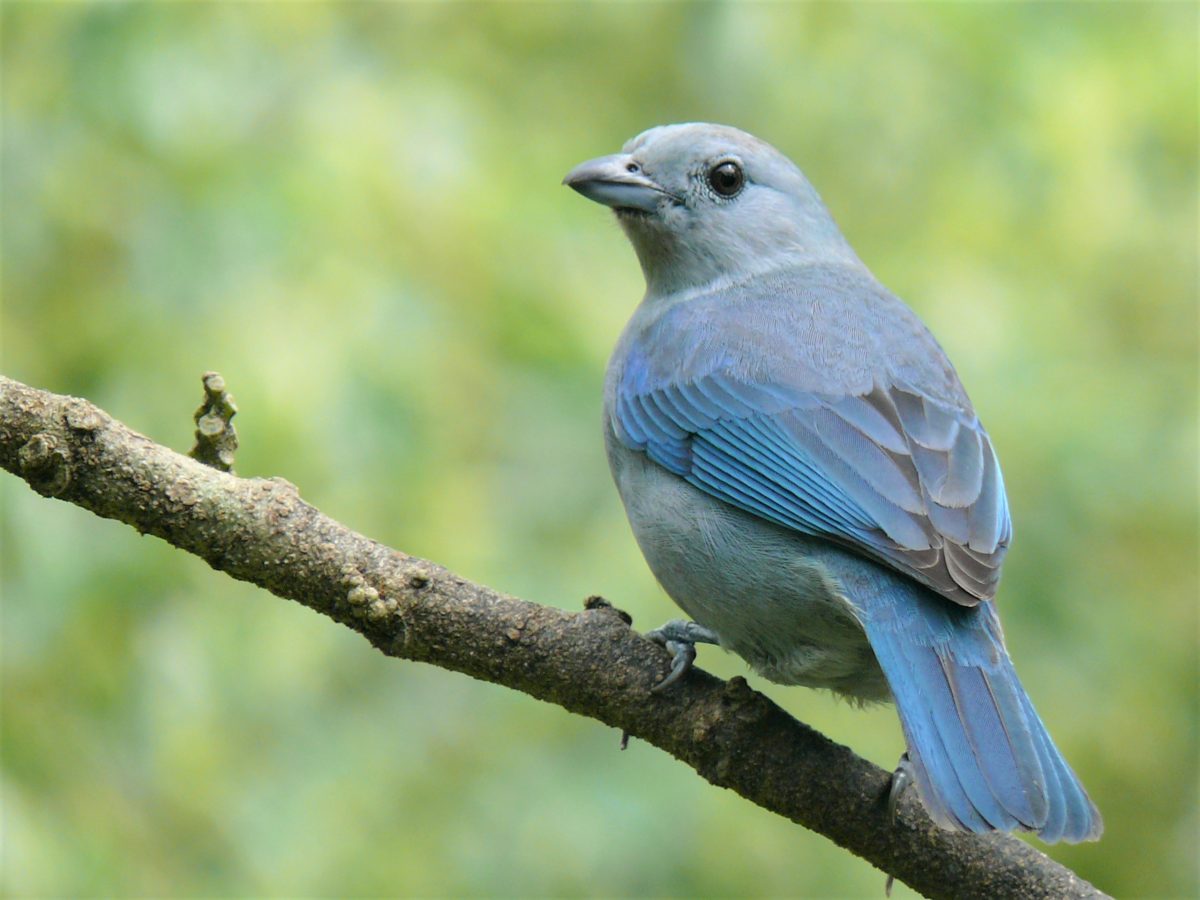
There is no doubt that together with the toucans, macaws, hummingbirds and motmots, the family of the traupids is one of the most emblematic group of birds of the Neotropics.
Note: This is a series of articles about birds of the Neotropics. The species of birds that will be covered in this collection of articles are toucans, quetzal, motmots, manakins, tanagers, and many other species.
The articles do not have a scientific format, but rather have a general informative character. The text is the product of the investigation of works written on the subject, although bibliographic citations are not provided.
Wildbird is a tour operator agency that organizes birdwatching trips to Costa Rica and Panama. Tours for photography and birding holidays.


