

Can just one feather save the dry forest in Costa Rica?
 Follow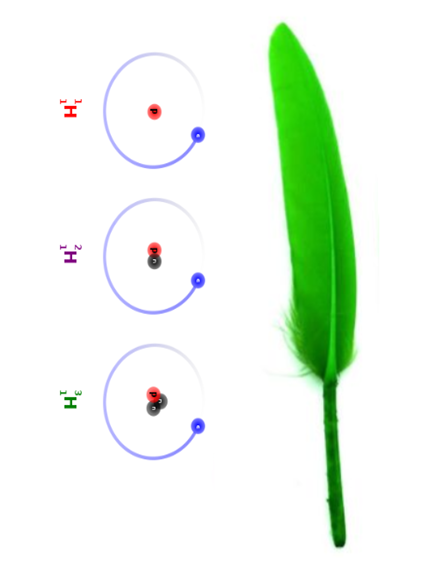
The three most stable isotopes of hydrogen: Protiu, deuterium and tritium
This article is about the use of stable hydrogen isotope analysis on tail feathers. By using this technique the scientists can tell the wintering grounds of Ruby-throated Hummingbirds in Costa Rica.
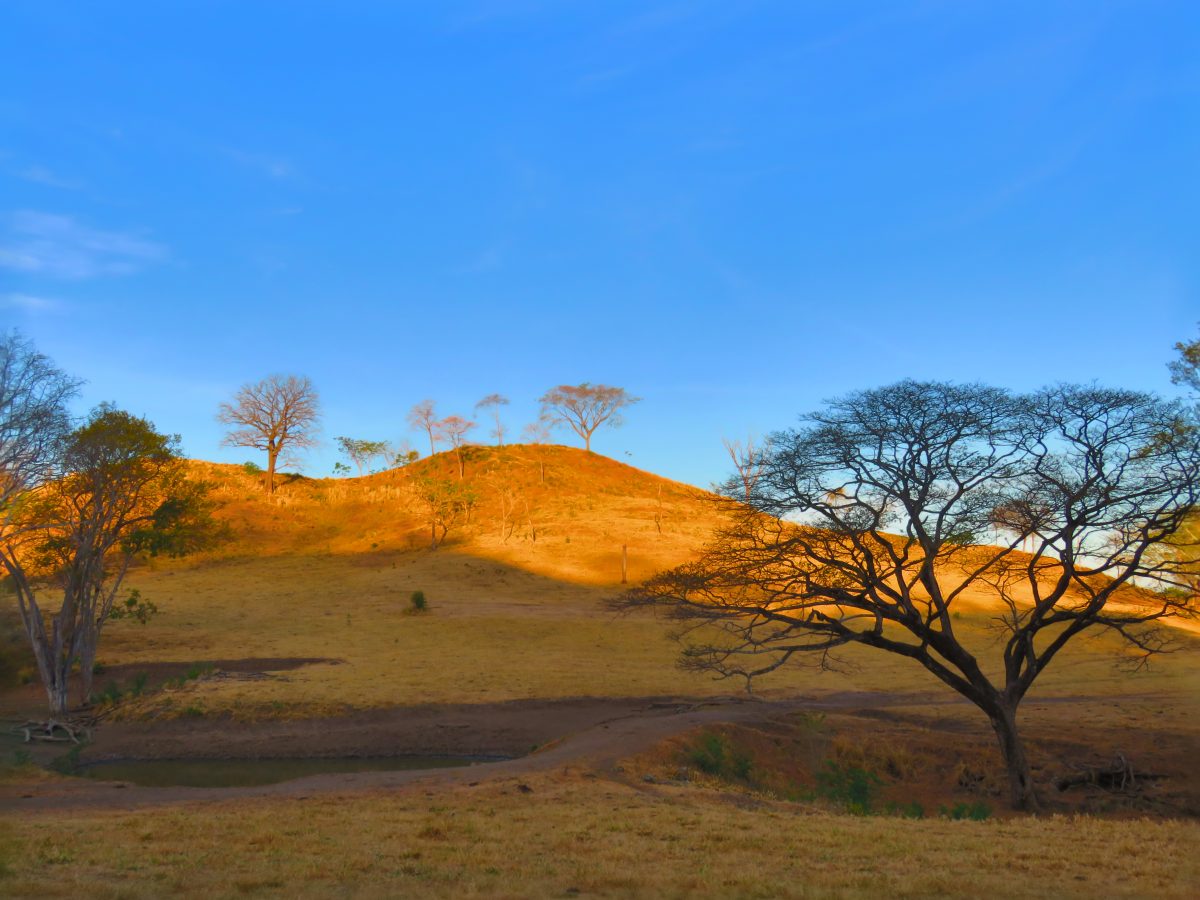
After the migration Ruby- throated spend several months on the northern Pacific lowlands of Costa Rica, where the last remnants of tropical dry forest in Central America has been protected in national parks and other public reserves. But also this habitat has been cleared for beach resorts, cattle ranches, sugar cane fields, rice, watermelon or cantaloupe.
Once the ornithologist trace the migration route and determine the wintering spots the local ecologists can start conservation programs and better practices to reduce the ecologial impact on the habitat Ruby- throated and other migrants use.
Stable isotope analysis has now had some 20 years of field collection of samples and laboratory analysis. The project I am going to describe is the stable hydrogen analysis of adult Ruby-throated Hummingbird tail feathers.
The analysis works when a tail feather is grown a new to replace an old worn tail feather grown a year earlier on the wintering area. The new feather absorbs the elements where it’s grown: hydrogen, oxygen, carbon etc. Across North, Central and South America the amounts of stable isotopes of hydrogen, oxygen and carbon vary as a ratio to “normal hydrogen, oxygen and carbon. When the variation is known by scientists and researchers, by measuring the ratio of “normal” hydrogen H2 to a stable hydrogen isotope H3, the ratio can reveal the location where the feather collected was grown.
In this project, stable hydrogen isotope analysis was selected because the analysis is regularly done, relatively inexpensive and previous studies have used stable hydrogen isotope analysis to find locations.
This project follows closely previous studies which selected the R4, fourth tail feather from the middle of the tail, because it’s the largest tail feather. Better to have more feather for analysis than not enough feather to analysis should a sample need to be re-analyzed for a whole variety of reasons.
Now, it is all great to collect tail feathers from Ruby-throated Hummingbirds for analysis. It is known where the feather was collected but was that feather grown at the collection spot? Adult Ruby-throated Hummingbirds molt (change tail feathers) on their wintering grounds. This study is attempting to learn where adult Ruby-throated Hummingbird caught on their respective breeding area (mate, nest and raise young) migrate to winter?
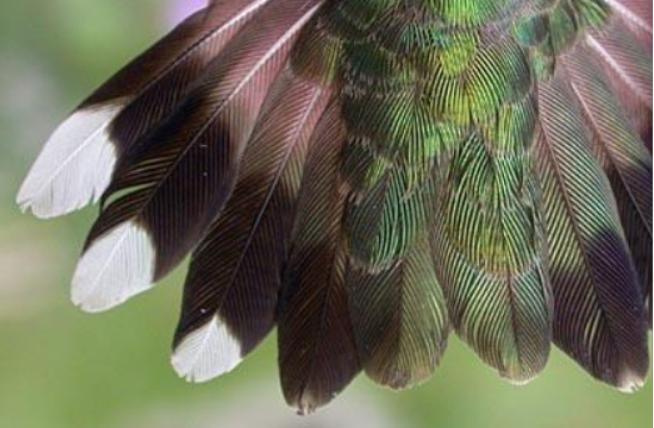
The known winter area stretches across Central America: Mexico to northern Panama. I traveled to the Nicoya Peninsula to collect tail feathers from wintering Ruby-throated Hummingbirds for a know wintering location. Thus, analysis values for the known wintering area can be compared with analysis values for breeding ground adult Ruby-throated Hummingbirds to determine where the breeding adults wintered in Central America.
All the necessary permits and permissions to collect and take the collected R4 tail feathers back to Canada were obtained from the Costa Rican government prior to leaving the country with the collected samples.
It is important to learn where Ruby-throated Hummingbirds that breed in North America migrate to winter given the changes in climate and changes to native landscape as the local population clear more native habitat to grown crops for sale.
The project has come to where the analysis is to be done to learn where the new tail feathers were grown on their wintering areas in Central America. Analysis has yet to be completed.
Ron Jensen lives in Saskatoon, Canada. He has been banding Ruby- throated for years and now he uses stable hydrogen isotope analysis on tail feathers to determine the route across Central America and wintering spots in Costa Rica. https://www.youtube.com/watch?v=FhMAzJrz-rE
images: isotopes from wikipedia/ bird tail from roads end naturalist
Wildbird Tours organizes birdwatching tours and photography trips to Costa Rica and Panama. Birding groups, customized birding holidays and bird watching vacations anywhere in Costa Rica.


